If you want a New Jersey suburb that balances a practical NYC commute with the day-to-day ease many households are looking for, Berkeley Heights deserves a close look. For many buyers, the challenge is finding a town that feels connected to the city without giving up space, outdoor access, and a steady local routine. Berkeley Heights stands out because it offers that middle ground, with commuter infrastructure, a small-town rhythm, and a housing pattern shaped largely by detached homes. Let’s dive in.
Why Berkeley Heights works for commuters
For many Northern New Jersey buyers, commute reliability is one of the first filters. Berkeley Heights is about 28 miles from Manhattan, and the township identifies itself as a commuter town with access to New York City and Hoboken by train or bus.
NJ Transit serves Berkeley Heights Station on the Morris & Essex line, and the township’s public transportation and commuter parking page notes service options, bike racks, and two parking lots with a combined 219 standard spaces. Lakeland Bus Lines also serves the area, which gives you another option to consider as you plan your daily routine.
The commuter profile here is not just marketing language. According to the township’s 2022 existing conditions report, 91.5% of employed residents worked outside Berkeley Heights in 2017, and New York City was the top work destination at 17% of employed residents.
That helps explain why the town often appeals to buyers who want a suburb built around getting in and out efficiently. The U.S. Census Bureau reports a mean travel time to work of 36.8 minutes, which gives useful context when you are comparing Berkeley Heights with other commuter towns in the area.
A town planning around the station
Another point worth watching is how Berkeley Heights is thinking about its station area over time. Township planning documents highlight work tied to Sherman Avenue, Peppertown Park, and a Downtown Transit Hub concept focused on improving sidewalks, bike access, and connections between the train station, downtown, and nearby parks.
For buyers, that matters because the experience of living in a commuter town is not just about the train itself. It is also about how easily you can move from home to downtown, from downtown to the station, and from the station back into daily life at the end of the day.
Everyday life in Berkeley Heights
A strong commuter town still has to work when you are not commuting. Berkeley Heights offers a practical setup for daily errands, community activities, and recreation, which is part of what makes it appealing to both longtime residents and buyers relocating from more urban areas.
The township’s About Our Town page notes that the Municipal Complex, which opened in December 2020, brings together Town Hall, Police, Recreation, and the Public Library. That kind of clustering can make everyday logistics simpler, especially if you value convenience and a central civic hub.
The same township page also notes that Berkeley Heights has more than 20 restaurants and hosts recurring local events such as summer concerts and the Winter Walk. Those details help paint a picture of a town where community life is active, but still manageable and local in scale.
Recreation and outdoor access
If outdoor time is part of your decision-making, Berkeley Heights offers a range of public recreation options. The township’s Recreation Commission page highlights public fields, playgrounds, tennis courts, and a wide mix of programs and events.
Those offerings include concerts in the park, parades, tree lighting, chess, cooking, robotics, creative movement, and Lego Club. For many households, that kind of programming supports a more connected weekly routine close to home.
The town also has notable trail and park access. On the township’s trails page, Berkeley Heights highlights Snyder Park, Lower Columbia, Passaic River Park, the YMCA trailhead, a community garden, school rain gardens, and a fishing pond.
If you are moving from a denser setting, that can be a meaningful lifestyle shift. You may still be commuting into the city, but your weekends and evenings can look very different when trails, parks, and open space are woven into town life.
What families often notice first
For buyers focused on long-term livability, Berkeley Heights often stands out because of how much of daily life happens locally. The township reports that Berkeley Heights has just over 2,500 students across six schools, including four elementary schools, one middle school, one high school, and the Mary Kay McMillin Early Childhood Center.
That fact does not tell you everything about your fit, of course, but it does reinforce how central school-age households are to the local rhythm. It aligns with how the township describes Berkeley Heights overall: a close-knit commuter town with amenities that support everyday routines.
Public outreach cited in the township’s master-plan materials described the community as family-oriented, friendly, tight knit, charming, quaint, bucolic, quiet, and a bedroom town. While every buyer will experience a town differently, that language is helpful shorthand for the feel many people associate with Berkeley Heights.
Berkeley Heights housing at a glance
Housing is a major reason Berkeley Heights feels different from some nearby rail towns. According to the U.S. Census Bureau’s QuickFacts profile, the township has 4,825 households, an average of 2.73 persons per household, a 93.3% owner-occupied housing rate, and a median owner-occupied home value of $789,400.
That same Census profile reports a median gross rent of $2,203 and a median household income of $204,658. Taken together, those figures suggest a market with a strong ownership base and pricing that sits above the statewide median.
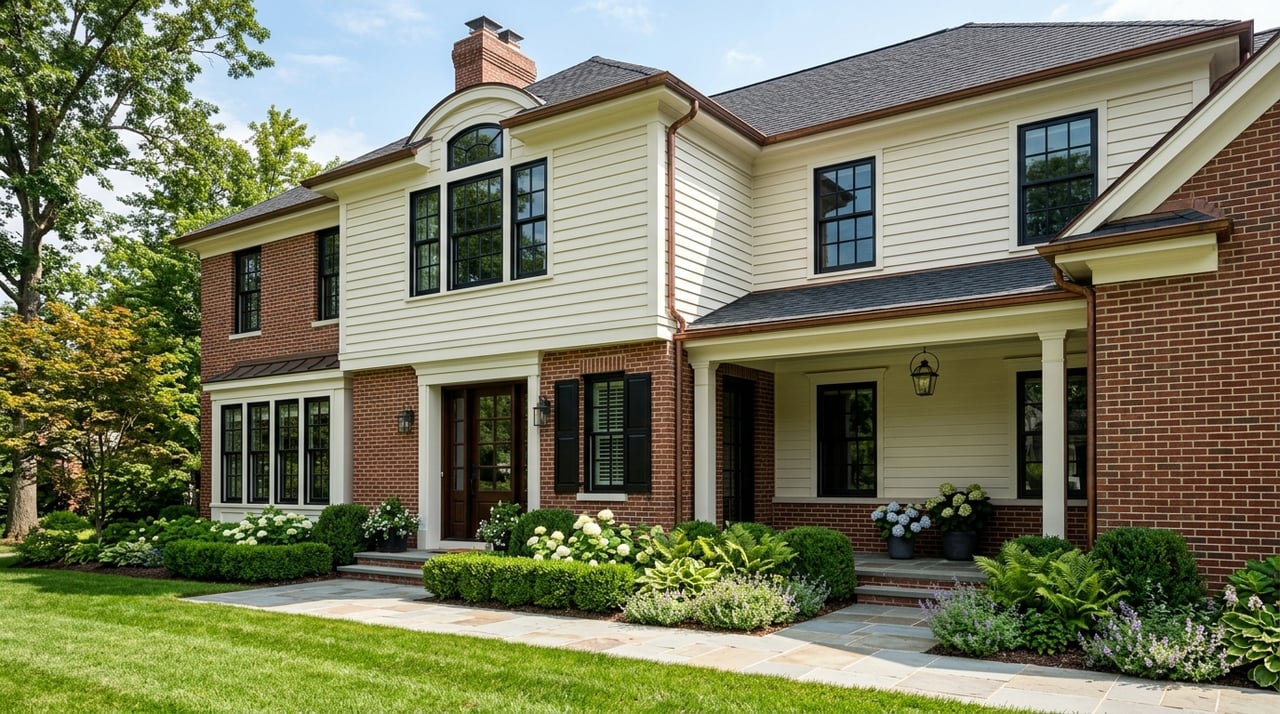
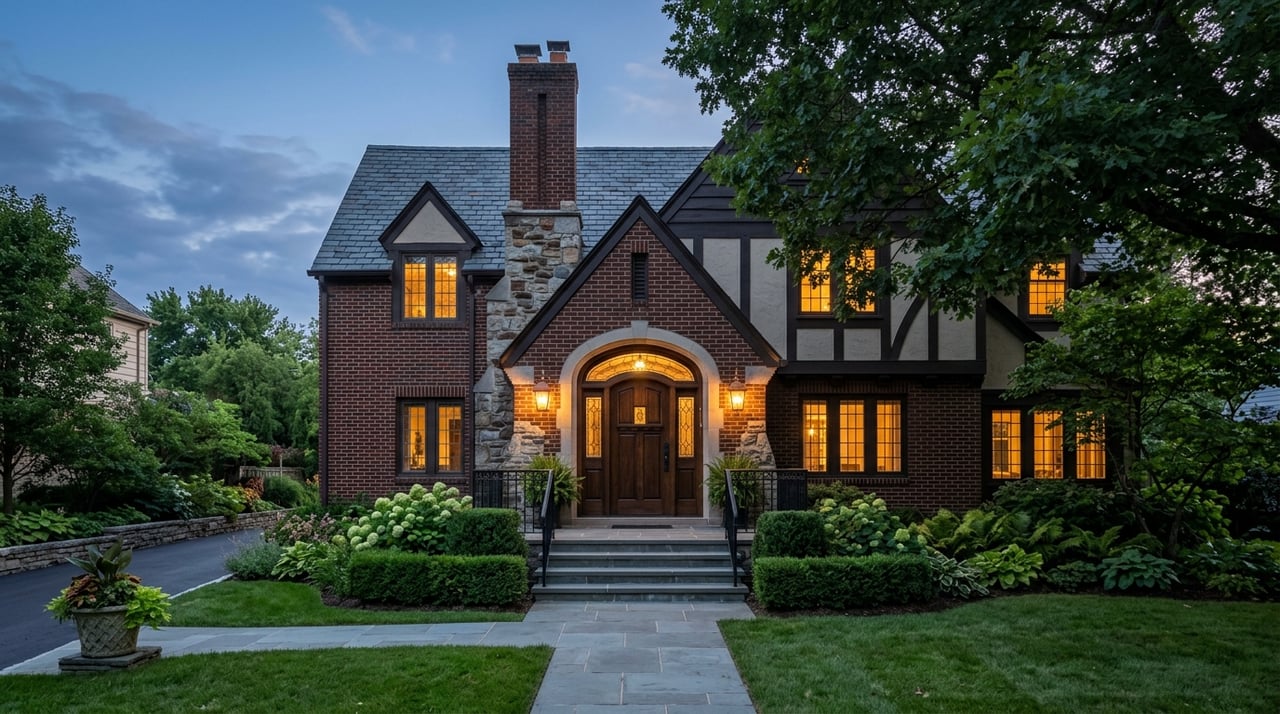
The township’s master plan materials help explain the physical character behind those numbers. In the 2017 housing inventory cited by the township, 90.7% of the housing stock was single-family detached, with only three multifamily apartment complexes noted at that time, along with some mixed-use downtown units.
What that means for buyers
In practical terms, Berkeley Heights tends to offer a more space-oriented suburban pattern than many buyers expect from a rail-served town. The local zoning framework includes residential districts with minimum lot areas of 20,000, 15,000, and 10,000 square feet, which supports lower-density development and a larger-lot feel in many areas.
That does not mean the housing stock is static. The township’s planning materials note significant residential development tied to its affordable housing settlement, and redevelopment information points to newer inclusionary multifamily projects in downtown and corridor locations.
So if you are searching here, it helps to think in terms of two parallel housing stories:
- A dominant pattern of detached single-family homes
- Some newer multifamily and mixed-use options in select locations
That mix can broaden your choices, but Berkeley Heights still reads primarily as a detached-home market.
How Berkeley Heights compares nearby
When buyers are narrowing down Union County commuter towns, they often compare Berkeley Heights with places like Summit and New Providence. The data suggests Berkeley Heights sits in a useful middle position.
Compared with Summit, Berkeley Heights is more heavily oriented toward detached homes and comes in lower on median owner-occupied value. Summit’s housing plan and Census data show 66.7% detached single-family housing, a median owner-occupied value of $994,500, and a mean travel time to work of 33.5 minutes, while Berkeley Heights shows 90.7% detached housing, a $789,400 median owner-occupied value, and a 36.8-minute mean commute.
Compared with New Providence, the price gap is smaller, but Berkeley Heights still has a more detached-home-heavy housing mix. New Providence’s housing plan and Census figures show 65.6% detached single-family housing, a median owner-occupied value of $734,300, and a mean commute time of 34.2 minutes.
The practical takeaway is straightforward. Berkeley Heights often appeals to buyers who want:
- A rail-oriented commuter location
- A stronger detached-home pattern
- A suburban setting with parks, recreation, and local events
- A town that feels smaller-scale and residential in character
Is Berkeley Heights the right fit for you?
Berkeley Heights can make a lot of sense if you are trying to balance city access with a more spacious suburban routine. It may be especially appealing if you want a town where commuting infrastructure is established, detached homes dominate the housing mix, and outdoor amenities are part of everyday life rather than a special trip.
It is also a town where comparing micro-locations matters. Your experience can vary based on proximity to the station, downtown conveniences, recreation options, and the type of housing you want to target.
That is where local guidance becomes valuable. If you are weighing Berkeley Heights against other Northern New Jersey commuter towns, Brooke Visentini can help you compare commute patterns, housing options, and lifestyle tradeoffs so you can move with more clarity and less stress.
FAQs
Is Berkeley Heights a good town for NYC commuters?
- Berkeley Heights offers NJ Transit rail access on the Morris & Essex line, bus service through Lakeland Bus Lines, and a commuter-oriented resident base, with the township noting access to New York City and Hoboken.
What is the Berkeley Heights housing market like?
- Berkeley Heights is primarily a detached single-family home market, with the township reporting 90.7% detached housing in its 2017 inventory and the Census reporting a median owner-occupied value of $789,400.
Does Berkeley Heights have parks and recreation options?
- Yes. The township highlights public fields, playgrounds, tennis courts, recreation programs, and trail and park access that includes Snyder Park, Passaic River Park, and other local outdoor spaces.
How does Berkeley Heights compare with Summit and New Providence?
- Berkeley Heights generally offers a more detached-home-oriented housing mix than both Summit and New Providence, with a median owner-occupied value below Summit and closer to New Providence.
What makes Berkeley Heights appealing for suburban households?
- Many buyers are drawn to Berkeley Heights for its commuter access, local events, recreation options, civic amenities, and a housing pattern that supports a more space-oriented suburban lifestyle.