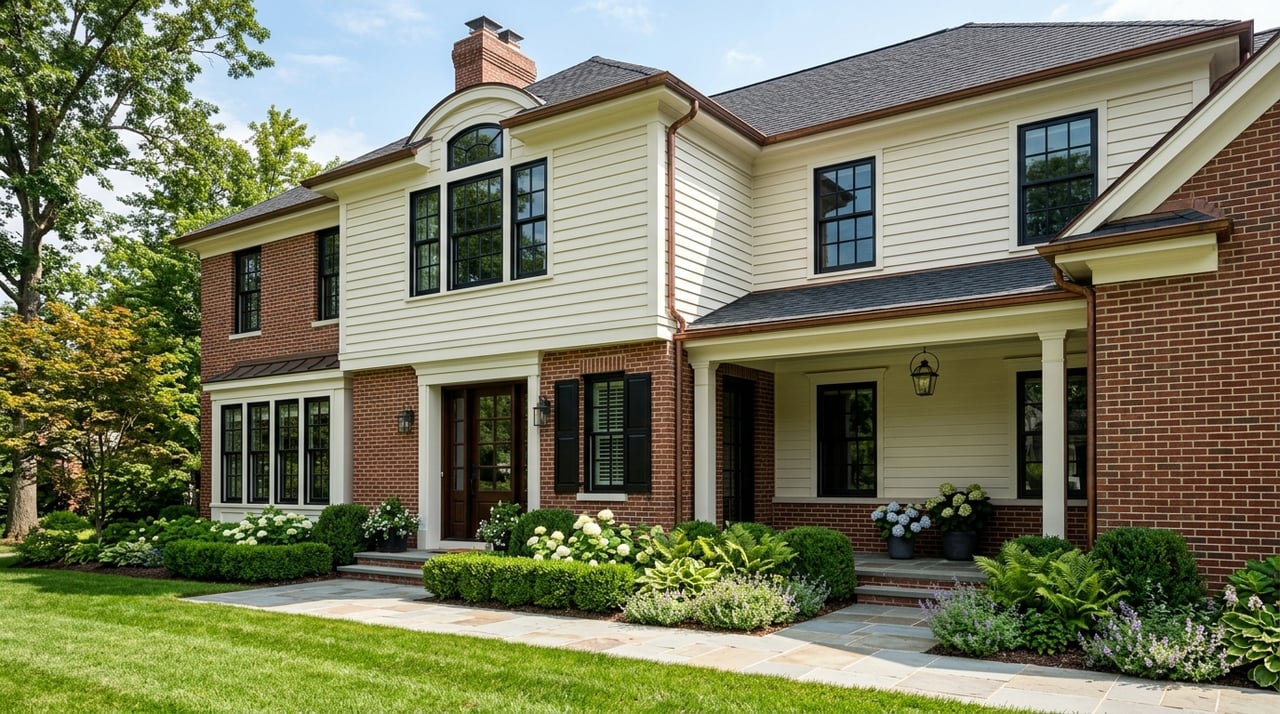
If you picture an estate-style home as just a bigger house, Harding Township may surprise you. Here, the land often shapes the lifestyle as much as the home itself, with preserved open space, rural roads, historic pockets, and real environmental constraints all playing a role. If you are trying to decide whether Harding fits your long-term plans, this guide will help you look past square footage and focus on what really matters before you buy. Let’s dive in.
Why Harding Feels Estate-Like
Harding Township has a distinctly rural identity that is not accidental. Township and state planning documents describe it as low-density, preservation-focused, and shaped by open space, historic villages, and water-resource constraints.
That setting helps explain why so many buyers associate Harding with estate-style living. The township reports that more than 6,200 acres, or 47.1% of its land, are permanently preserved, which supports the sense of privacy, protected views, and countryside character many buyers are looking for.
The township’s master plan also makes clear that Harding is trying to preserve narrow, curving roads, open fields, mature trees, and bridle trails. In practical terms, that means the estate feel here comes from the broader environment, not only from house size or lot count.
Harding is also shaped by nearby protected landscapes such as the Great Swamp National Wildlife Refuge and Morristown National Historical Park at Jockey Hollow. These preserved areas help reinforce the township’s open, less suburban development pattern.
What Estate-Style Living Really Means
In many towns, buyers start with the house and then evaluate the yard. In Harding, it often works the other way around.
If you are considering an estate-style property here, you are often buying into a land-based lifestyle that may include privacy, longer driveways, tree cover, open views, and more day-to-day property oversight. That can be very appealing, but it also calls for a more detailed review of how the parcel functions.
A beautiful home on a large lot does not always mean the entire property is easy to build on, clear, fence, or expand. Zoning, topography, wetlands, conservation areas, and utility realities can all affect what you can actually do over time.
Zoning Matters More Than You Think
One of the biggest mistakes buyers can make is assuming that a large parcel automatically allows every estate-style feature they have in mind. In Harding, zoning and site conditions can narrow those possibilities.
R-1 and RR Basics
In the R-1 zone, Harding allows one single-family home per lot, along with farming and boarding stables for horses on lots of 10 acres or more. The zone requires a 3-acre minimum lot size, 300 feet of frontage, 100-foot setbacks, and a maximum lot coverage of 10%.
The RR zone has the same primary uses, but it requires a 5-acre minimum lot size. According to the township’s land-use plan, that district was created to reflect existing five-acre-and-larger development and to continue Harding’s low-density rural character.
Buildable Area Can Be Smaller
Lot size is only part of the story. Harding’s subdivision rules state that a proposed vacant lot in the R-1 or RR zones must include at least 1.75 acres free of wetlands, flood hazard areas, and slopes over 12%, with a qualifying building envelope, unless a conceptual grading plan is submitted.
That is important because a parcel may look generous on paper but still have a more limited practical building area. Tree conservation requirements along residential property lines and steep-slope rules can also affect where future improvements may go.
Common Projects Need Review
If you are thinking beyond the main house, planning ahead matters. Harding’s zoning office says zoning approval is required before permits are issued for many common projects, including additions, barns, sheds, pools, generators, driveways, and fences.
For more involved applications, the review process may include the Planning Board and could also involve the Environmental Commission, Historic Preservation Commission, or Shade Tree Advisory Committee. That does not mean a project cannot move forward, but it does mean timelines and feasibility deserve early attention.
Wells, Septic, and Site Conditions
For many buyers, this is where Harding becomes very different from a more typical suburban purchase. The township reports that residents rely primarily on individual wells for potable water, and roughly 75% of existing homes were said to depend on individual wells and subsurface septic systems.
That makes water supply and wastewater disposal central parts of ownership. If you are evaluating an estate-style home, you are not just reviewing bedrooms and finishes. You are also looking at systems that directly affect daily use and future improvements.
The township’s planning documents note that soils vary widely and that some areas have moderate to severe septic limitations. This is why parcel size alone does not tell you whether a property will support your plans.
In practical terms, buyers should expect due diligence around items such as:
- Well testing
- Septic inspection
- Drainage patterns
- Slopes and grading
- Wetlands or flood-related constraints
- Ongoing tree and driveway maintenance
These details may not be glamorous, but they are often what separate a smooth ownership experience from an expensive surprise.
Equestrian Appeal and Property Upkeep
Harding has a long equestrian history, and that character is still visible today. The township’s open-space plan describes a long-standing network of bridle trails, especially in the eastern-central part of town around Pleasantville Road, Village Road, Blue Mill Road, Glen Alpin, and the Showgrounds Equestrian Park.
The same plan recommends more signage for horse crossings and crosswalks, which shows that horse traffic remains part of the township’s current landscape. For buyers interested in horse properties or simply drawn to that countryside setting, this is a meaningful part of Harding’s identity.
At the same time, equestrian or accessory improvements still require careful review. Harding’s code states that a barn used exclusively for agriculture or horse boarding in the RR and R-1 zones is limited to 35 feet in height.
This is another reminder that estate-style ownership in Harding often involves active land management. You may love the space, but you should also be comfortable with the maintenance side of larger lots and with reviewing any restrictions that affect how the property can evolve.
Conservation Easements Can Change the Equation
Another major factor in Harding is the presence of conservation easements. The township’s open-space plan reports more than 390 acres across 151 privately owned properties preserved through conservation easement.
That matters because an easement can affect future additions, clearing, paddocks, barns, trail use, or other long-term plans. Two homes may have similar acreage, but the one with more restrictions may offer a very different ownership experience.
If you are buying with a specific vision in mind, this is one of the most important areas to review early. It is much better to understand the constraints before you fall in love with the setting.
Different Parts of Harding, Different Feel
One of the most useful things to know is that Harding is not one uniform estate market. Different areas offer different versions of the township’s rural and historic character.
New Vernon and Green Village
Harding’s Historic Preservation Plan identifies New Vernon and Green Village as places that reflect 19th- and early 20th-century rural village character. New Vernon is also described in the land-use plan as the township’s civic focal point, with small-scale commercial uses, banks, professional offices, the school, and the firehouse surrounded by low-density residential uses.
If you want a village-centered setting with historic context, this may feel different from a more secluded estate corridor. The appeal here is often character and setting rather than complete separation.
Hartley Farms
Hartley Farms is one of the clearest examples of estate-style character in Harding. The township’s open-space plan describes it as an open-space subdivision with about 42 acres of preserved open space in historically significant portions of the former estate, including Remington Forest and the polo fields.
For buyers drawn to a preserved-estate setting, this part of Harding often stands out. It offers a different feel from a standard subdivision because preservation is part of the framework.
Tempe Wick and Jockey Hollow Area
Tempe Wick and the Jockey Hollow corridor read more like historic countryside than a conventional neighborhood pattern. The planning documents show preserved parcels and trail-oriented land in this area, reinforcing a more rural, landscape-driven experience.
If your idea of estate-style living includes scenery, history, and a less conventional layout, this area may deserve a closer look.
Mt. Kemble Lake
Mt. Kemble Lake offers another version of Harding altogether. The open-space plan describes it as a residential community around the lake with conservation easements.
This setting may appeal to buyers who want scenic surroundings and a stronger sense of community, rather than a purely equestrian or deeply secluded property environment.
Historic Homes Need Extra Attention
If you are drawn to an older home, Harding’s historic framework is worth understanding early. The township identifies seven municipal historic districts: New Vernon, Green Village, Logansville, Pleasantville, Silver Lake, Tempe Wick, and Hartley Farms.
The Historic Preservation Commission’s role is to conserve, protect, enhance, and perpetuate Harding’s historic character and rural streetscape. The township requires HPC review and a certificate of appropriateness before demolition permits are issued for buildings in designated historic districts or for buildings identified in the Master Plan.
Interior changes and ordinary exterior maintenance and repair are exempt. Still, if you are considering a historic property and thinking about larger exterior changes over time, it is smart to factor review requirements into your timeline and planning.
How to Evaluate a Harding Estate Property
When you tour homes in Harding, try to look at each one through two lenses: the house itself and the land that supports it. The second lens is often the one that matters most.
A practical evaluation checklist may include:
- The zoning district and what it allows
- The minimum lot and setback standards
- The likely buildable envelope
- Wells, septic, and soil limitations
- Wetlands, flood hazard areas, and slopes
- Tree conservation and clearing limitations
- Conservation easements or other restrictions
- Historic district considerations
- The property’s fit for your long-term lifestyle
This is where a well-organized buying process really helps. In a town like Harding, the best decisions usually come from asking detailed questions early and matching the property to how you actually want to live.
If you are exploring Harding because you want privacy, land, and a classic Northern New Jersey estate feel, the township can offer something special. The key is making sure the parcel, regulations, and maintenance realities all support that vision before you move ahead.
When you want clear guidance on evaluating estate-style opportunities in Morris County, Brooke Visentini can help you approach the process with a smart plan and steady communication.
FAQs
What makes Harding Township feel like an estate-style market?
- Harding’s estate feel comes from preserved open space, low-density zoning, rural roads, mature trees, bridle trails, and a strong township focus on preserving countryside character.
What should buyers know about zoning for estate homes in Harding Township?
- Buyers should know that large lot size does not guarantee broad use rights, because Harding’s R-1 and RR zones include minimum lot sizes, frontage, setbacks, lot coverage limits, and additional site constraints.
What utilities are common for homes in Harding Township?
- Many Harding properties rely on individual wells and septic systems, so water supply, wastewater disposal, soils, and inspections are important parts of the buying process.
Are barns, pools, and additions easy to add in Harding Township?
- Not always, because Harding requires zoning approval before permits for many projects such as additions, barns, sheds, pools, generators, driveways, and fences are issued.
Which parts of Harding Township feel most estate-like?
- Buyers often compare village-centered areas like New Vernon, preserved-estate settings like Hartley Farms, historic countryside areas near Tempe Wick and Jockey Hollow, and scenic community settings like Mt. Kemble Lake.
Do historic homes in Harding Township have special review requirements?
- Yes, buildings in designated historic districts or identified in the Master Plan may require Historic Preservation Commission review before demolition permits are issued, although interior changes and ordinary maintenance are exempt.