Thinking about trading a fast-paced NYC routine for a more grounded day-to-day in New Providence? That move can feel exciting, but it also comes with a lot of questions about timing, commute planning, schools, childcare, utilities, and how to get settled without missing key steps. This guide walks you through the move from NYC to New Providence in a practical, organized way so you can plan ahead with more confidence and less stress. Let’s dive in.
Why New Providence draws NYC movers
New Providence is a small borough in Union County with an estimated 13,957 residents as of July 1, 2024, spread across 3.69 square miles of land area. Census data also shows a 75.6% owner-occupied housing rate, which points to a community with a strong residential base.
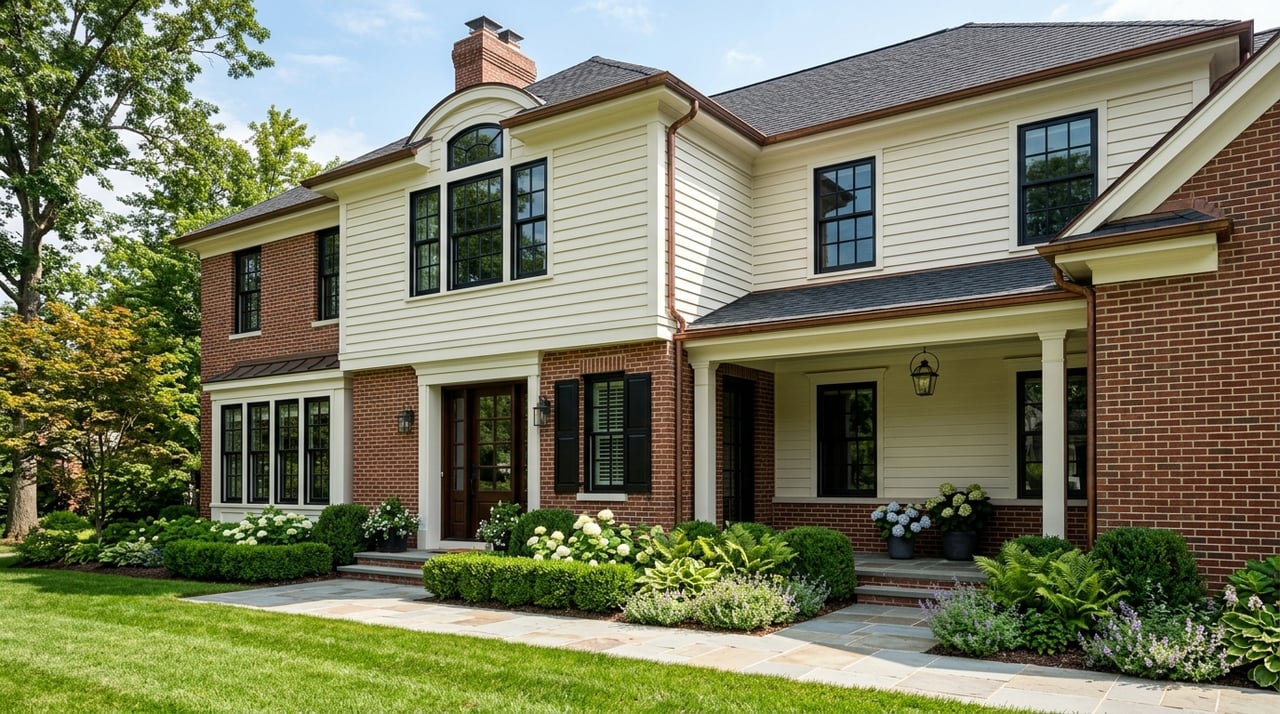
The borough describes itself as mostly residential, with single-family homes, garden apartments, condominiums, and a downtown business district with ample free parking. For many NYC buyers and renters heading to the suburbs, that mix can offer a more manageable daily rhythm while still keeping key services and transit access close by.
Start planning 6 to 12 months out
If you know a move may be coming, the smartest first step is to map out your daily life before you focus too narrowly on a specific home. In New Providence, commute options, station access, childcare timing, and your preferred routine can all shape which area feels most practical.
Compare commute options early
New Providence has rail access through New Providence and Murray Hill stations on the Gladstone Branch of NJ Transit’s Morris & Essex Lines. The borough guide notes rail service to Hoboken Terminal and Penn Station in Midtown Manhattan, and also references Lakeland Bus rush-hour service to Port Authority.
NJ Transit’s New Providence Station information says the station has permit parking for residents, 114 standard spaces, and that weekends also require a permit. If you expect to commute regularly, it helps to understand station parking rules and test the trip before you commit to a routine.
Visit on both a weekday and weekend
A quick Saturday drive-through is not enough if you are relocating from NYC. Try one weekday visit and one weekend visit so you can experience the station area, downtown, parks, and school-area traffic patterns at different times.
That kind of side-by-side comparison can help you see how New Providence actually feels when people are commuting, running errands, or heading to activities. It is often the easiest way to turn a broad impression into a more informed decision.
Begin childcare research early
If you will need childcare soon after the move, start this step well in advance. In New Jersey, the Department of Children and Families Office of Licensing says child care centers serving six or more children under age 13 must be licensed.
For Union County, the local child care resource and referral agency is Community Coordinated Child Care of Union County. That gives you a reliable starting point for private referrals and other planning support while you narrow down your timeline.
Use the 3 to 4 month window wisely
About three to four months before your move, it helps to shift from general research to active decision-making. This is the stage where school registration details, preschool timing, and commute backups become more important.
Review school logistics carefully
New Providence School District lists four schools: Allen W. Roberts Elementary School, Salt Brook Elementary School, New Providence Middle School, and New Providence High School. The district maps page lists Allen W. Roberts at 80 Jones Drive, Salt Brook at 40 Maple Street, and the middle and high school at 35 Pioneer Drive.
If school planning is part of your move, focus on logistics such as registration requirements, timelines, and school locations. This gives you a clearer picture of what paperwork and scheduling may be needed before or just after your arrival.
Watch preschool deadlines and details
Preschool timelines can be very specific, so it is worth checking them early. At the time of research, the district’s preschool page said resident applicants must turn 3 or 4 before October 1, 2026, with preference given to 4-year-olds.
That same page listed tuition at $356 per month and noted that all Pre-K classes meet at Allen W. Roberts School. Even if your own timing differs, this is a good reminder that enrollment windows and eligibility rules can affect your moving calendar.
Test rail and bus alternatives
If you commute into Manhattan, do not rely on one route alone. Compare the current NJ Transit timetable with the borough’s Lakeland Bus option from Springfield Avenue stops to the Port Authority Bus Terminal.
For many households, the best setup is to think of rail as the primary option and bus as a backup. Having both in mind can make your week more flexible when schedules, parking, or weather change your plans.
Tackle key tasks 30 to 60 days before moving
This is when your relocation plan becomes concrete. The more you can set up before move-in day, the easier your first month in town will feel.
Set up utilities before arrival
The borough’s new resident page points residents to JCP&L or First Energy for electric, PSEG for gas, Xfinity or Verizon Fios for cable and internet, and New Jersey American Water for water. Getting these accounts in motion ahead of closing or lease start can help you avoid service gaps.
If you work from home even part of the week, internet timing matters just as much as electric or gas. Build in extra lead time if you need installation appointments.
Register for Smart911 and review the town calendar
The borough also directs new residents to Smart911 and the annual calendar. These are practical early resources because they help you get familiar with garbage and recycling dates, town meeting information, and other recurring local logistics.
This is one of those steps that is easy to postpone, but it can quickly make your household feel more organized. Small systems often make a big difference during a move.
Explore recreation before programs fill
If you have children, the borough’s Recreation Guidebook and Parks and Facilities pages are worth reviewing before you arrive. They can help you identify programs, leagues, camps, and classes that may fill quickly.
The borough’s recreation materials highlight a wide range of amenities, including a recreation center, nine parks, five playgrounds, 12 multi-sport fields, eight public tennis courts, two pickleball courts, a cricket pitch, five basketball courts, a community garden, and year-round classes and sports.
Focus on the first 2 to 4 weeks
Once you arrive, your first month should be about getting oriented and fine-tuning your routine. You do not need to do everything at once, but a few early check-ins can make the transition smoother.
Learn the local essentials
The borough lists the New Providence Memorial Library as a core resident resource, and it is located at 377 Elkwood Avenue. The recreation offices are listed at 360 Elkwood Avenue.
These are useful anchor points in your first few weeks because they connect you to local information, programming, and day-to-day community resources. They also give you an easy way to start building familiarity beyond your own block.
Re-test your weekday commute
After move-in, try your real commute again on an actual weekday. NJ Transit’s station information notes that New Providence Station parking is permit-based, so your experience may depend on both timing and your parking plan.
This second test matters because a commute can feel different once you are leaving from home with your normal morning schedule. It is much better to adjust early than to be surprised in week one of a new routine.
Confirm local regulations and remaining setup items
Use the borough’s newcomer resources to double-check parking rules, local regulations, voter registration, and any unfinished household details. This is a good time to make a short punch list and close out loose ends.
A relocation often feels complete only after the administrative tasks are done. Taking care of them early helps you settle in with fewer interruptions later.
What families should know about activities and support
For many households moving from NYC, one of the biggest adjustments is rebuilding your weekly rhythm. New Providence offers a structure for that through recreation, civic resources, and library access.
The borough materials point new residents toward community activities, the Recreation Guidebook, Smart911, and the annual calendar. Those resources can help you find programs and understand how the town operates from season to season.
If your household needs inclusive recreation support, New Providence Recreation participates in TryCAN, which states that it offers programs for children with special needs and has no residency restrictions or non-resident fees. For some families, that can be an important part of narrowing down a town.
A practical NYC-to-New Providence checklist
Here is a simple way to organize your move:
6 to 12 months before
- Compare rail and bus commute options
- Visit New Providence on a weekday and weekend
- Review station parking rules and permit needs
- Start childcare research if needed right away
3 to 4 months before
- Review school and registration pages
- Check preschool timing, eligibility, and location details
- Compare NJ Transit and Lakeland Bus schedules
- Narrow your preferred housing areas based on routine
30 to 60 days before
- Set up electric, gas, internet, and water
- Register for Smart911
- Review the annual calendar for pickup dates and meetings
- Explore recreation programs, camps, and classes
First 2 to 4 weeks after arrival
- Visit the library and recreation offices
- Re-test your weekday commute
- Confirm parking, local regulations, and voter registration
- Build your first-month routine around the resources you will actually use
Moving from NYC to New Providence is not just about changing addresses. It is about building a routine that supports how you want to live, commute, and spend your time. With the right planning, the move can feel much more manageable from your first visit through your first month in town.
If you are planning a move and want a clear, hands-on process from home search to closing and beyond, Brooke Visentini can help you navigate your New Providence relocation with local guidance and steady communication.
FAQs
What is the commute setup from New Providence to Manhattan?
- New Providence has rail service through New Providence and Murray Hill stations on the Gladstone Branch of NJ Transit’s Morris & Essex Lines, with service referenced to Hoboken Terminal and Penn Station in Midtown Manhattan. The borough also notes Lakeland Bus rush-hour service to Port Authority.
What should you do first when relocating from NYC to New Providence?
- Start by testing your likely commute, visiting the borough on both a weekday and weekend, and researching time-sensitive items like childcare, school registration, and station parking.
What schools are in New Providence School District?
- The district lists Allen W. Roberts Elementary School, Salt Brook Elementary School, New Providence Middle School, and New Providence High School.
What utilities should you set up in New Providence before moving in?
- The borough’s new resident page points residents to JCP&L or First Energy for electric, PSEG for gas, Xfinity or Verizon Fios for cable and internet, and New Jersey American Water for water.
What town resources help new residents settle into New Providence?
- Useful early resources include Smart911, the annual calendar, the New Providence Memorial Library, recreation offices, the Recreation Guidebook, and the borough’s newcomer information page.
What should families know about preschool and childcare in New Providence?
- Preschool timelines can be specific, and at the time of research the district’s preschool page listed age cutoffs, preference for 4-year-olds, $356 monthly tuition, and Allen W. Roberts School as the Pre-K location. For childcare centers, New Jersey requires licensing for centers serving six or more children under 13.