If you want Northern New Jersey charm without giving up everyday convenience, the Caldwells deserve a closer look. This group of neighboring communities offers a rare mix of historic homes, walkable routines, quiet residential streets, and shared local amenities that can shape daily life in meaningful ways. Whether you are relocating, moving up, or simply comparing Essex County towns, understanding how Caldwell, West Caldwell, and North Caldwell differ can help you narrow your search with confidence. Let’s dive in.
Why the Caldwells stand out
The Caldwells are best understood as three closely connected communities, each with its own personality. Caldwell brings the strongest downtown and the most village-like atmosphere, West Caldwell leans more residential with a strong civic and recreation network, and North Caldwell offers a quieter, wooded setting with single-family homes as the dominant land use.
That distinction matters when you are choosing where to live. In a small geographic area, you can find different rhythms of daily life, from walking to coffee or dinner in Caldwell to enjoying a more tucked-away suburban feel in North Caldwell.
Village life in Caldwell
Caldwell is the clearest example of village life in the area. The borough describes itself as a historic, walkable community with a small-town feel and suburban amenities, and its downtown serves as a destination for western Essex County.
In practical terms, that means you can build real routines around local businesses and services. The borough highlights pubs, coffee shops, restaurants, groceries, boutiques, hardware, alteration shops, spas, and gelato, all contributing to a downtown that feels active and usable rather than purely scenic.
Municipal planning materials also reinforce that identity. Downtown Caldwell is described as historic and walkable, with treed sidewalks, walking paths, and historic areas that support quality of life and offer walkable alternatives for getting around.
Historic homes in the Caldwells
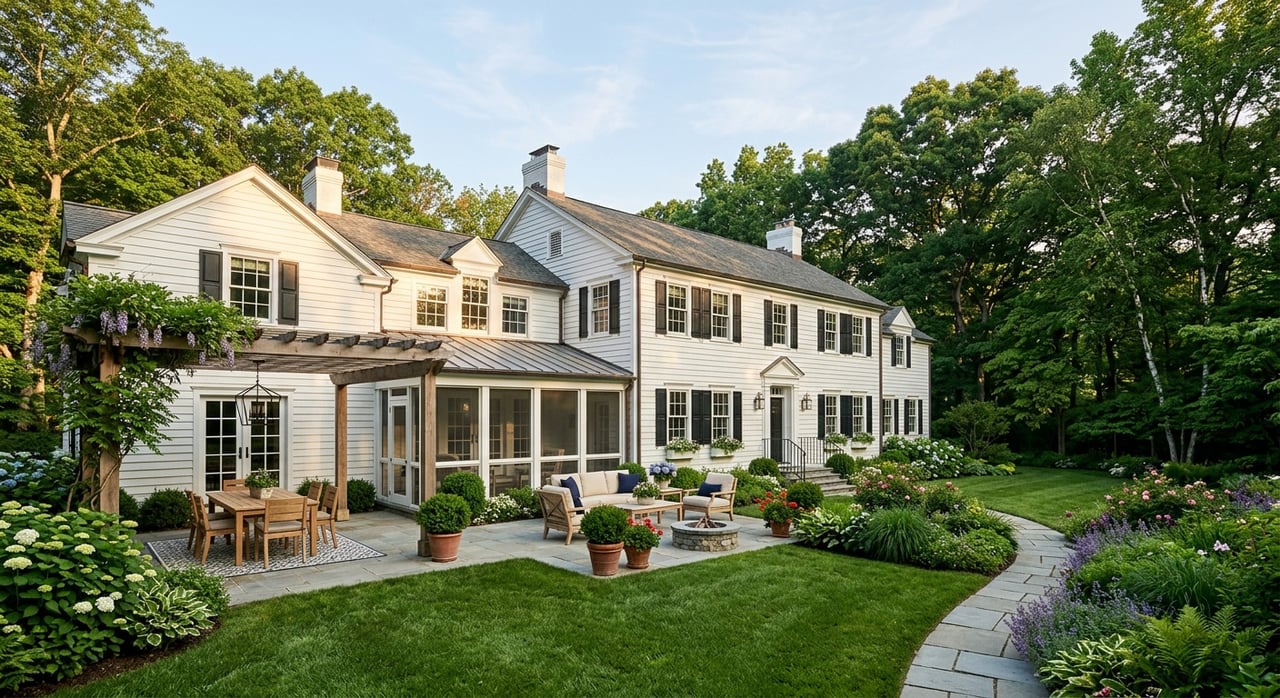
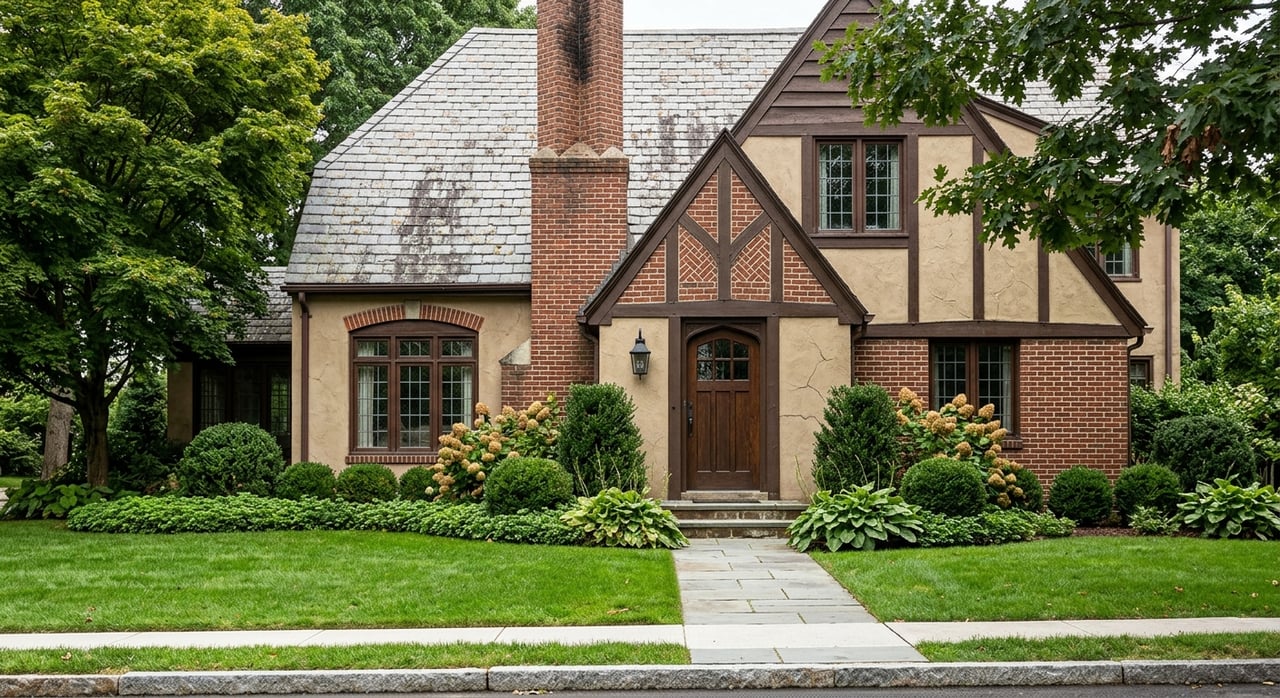
If you are drawn to older homes, Caldwell and West Caldwell offer the strongest historic identity in the three-town area. Each town reflects that history in a different way, which can shape both the look of the housing stock and the overall feel of the streetscape.
Caldwell’s preservation focus
Caldwell has a formal preservation framework that helps set it apart. The borough maintains a Historic Preservation Commission, and an updated architectural survey funded through the New Jersey Historic Trust identified at least three potential historic districts along with several architecturally significant landmarks.
That tells you something important as a buyer or homeowner. In Caldwell, historic character is not just incidental. It is recognized as part of the borough’s identity, which can influence how people value architecture, streetscapes, and the continuity of the downtown core.
The best-known historic landmark is the Grover Cleveland Birthplace Historic Site at 207 Bloomfield Avenue. Caldwell identifies it as the original home of the 22nd and 24th president, and the New Jersey Department of Environmental Protection lists it as a state historic site.
West Caldwell’s homestead history
West Caldwell’s historic story is more tied to surviving homesteads and local family history. The township traces its roots to farming and sawmill land and notes that historic homes still remain in the community.
One of the most notable examples is the Zenas C. Crane House. The township says it was built around 1853 on the site of an earlier structure from the early 1790s, and it now houses the West Caldwell Historical Society.
The township also notes that the Crane and Harrison family homes still exist. For buyers who appreciate older residential pockets and a town history that is still visible in the built environment, West Caldwell offers a meaningful connection to that past.
North Caldwell’s residential character
North Caldwell presents a different kind of appeal. The borough emphasizes beautiful homes on hilly, wooded roads, with land use dominated by single-family homes and only modest commercial activity at the edges of town.
While North Caldwell does not present a comparable downtown historic district in its official description, its identity is tied to preserved residential character. If your idea of charm leans more toward quiet streets, mature trees, and a more secluded suburban setting, that distinction may be especially relevant.
Everyday amenities across the three towns
One reason the Caldwells appeal to many buyers is that the three communities function less like isolated municipalities and more like a shared local ecosystem. That can make day-to-day life feel more flexible and connected.
Caldwell says the towns share a school district, and the district homepage lists schools located across Caldwell and West Caldwell. The borough also notes shared recreation and senior transportation services, adding to the sense that residents often use amenities across town lines.
Caldwell’s Health and Human Services Department adds another layer of community support. It houses the Grover Cleveland Senior Center, a senior transportation program, and a food pantry that serves Caldwell and West Caldwell residents.
West Caldwell contributes important civic infrastructure as well. Its public library is a 12,000-square-foot facility, and its recreation department says park facilities and programs are available to both West Caldwell and Caldwell residents.
Parks and recreation in the Caldwells
Historic character is only part of the lifestyle equation. Access to parks, recreation, and open space often shapes how a town feels on weekends and after work.
Grover Cleveland Park
Grover Cleveland Park is one of the area’s strongest lifestyle anchors. Essex County says the 41.48-acre park was the first county park in western Essex County, and the National Park Service notes that it was designed by the Olmsted Brothers in 1912.
The park includes lighted tennis and pickleball courts, a fieldhouse, a baseball field, playgrounds, fishing, jogging walkways, a picnic grove, and ice skating. For many buyers, that kind of amenity base adds real value because it supports both active use and casual everyday enjoyment.
West Caldwell recreation access
West Caldwell expands the recreation picture even further. The borough also points to Camp Wyanokie, a 150-acre camp at the edge of Norvin Green State Forest that was gifted to local towns for resident use.
That broader recreation network can be a major plus if you want access to outdoor spaces and community programming without leaving the immediate area. It also reinforces West Caldwell’s role as a strong civic and recreation hub within the three-town mix.
North Caldwell green space
North Caldwell offers a quieter recreation profile. Walker Park is a 17-acre passive recreation site with a pond that is open for fishing, which fits the borough’s more peaceful and residential identity.
The borough also operates a community pool with membership categories for North Caldwell residents, West Essex residents, and non-residents. For some households, these kinds of local amenities can help define the feel of summer and everyday leisure time.
Commuting from the Caldwells
For many Northern New Jersey buyers, commute logistics are just as important as architecture and lifestyle. If you want a village-town feel but still need access to Manhattan, the Caldwells offer a practical bus-based option.
NJ Transit route 105 is the West Caldwell, Cedar Grove, and New York route, with current stop lists showing service in Caldwell and West Caldwell and connections to the Port Authority Bus Terminal. That makes the area worth considering if you are balancing suburban living with a New York work routine.
Of course, commute fit is personal. The best approach is to compare not just distance, but also how the daily rhythm of each town aligns with your schedule, priorities, and preferred home setting.
How to choose among the Caldwells
If you are comparing these towns, it helps to think in terms of lifestyle first and house second. The homes may be what first catches your eye, but the right fit usually comes from how the town supports your everyday routine.
Here is a simple way to frame the differences:
- Choose Caldwell if you want the strongest downtown presence, a walkable core, and a visible historic identity.
- Choose West Caldwell if you want a more residential setting with strong civic resources, recreation options, and ties to local history.
- Choose North Caldwell if you prefer a quieter, wooded environment centered on single-family homes and a more tucked-away suburban feel.
This kind of side-by-side comparison can save you time. It helps you focus your search based on how you actually want to live, not just what looks good online.
What buyers should notice in older homes
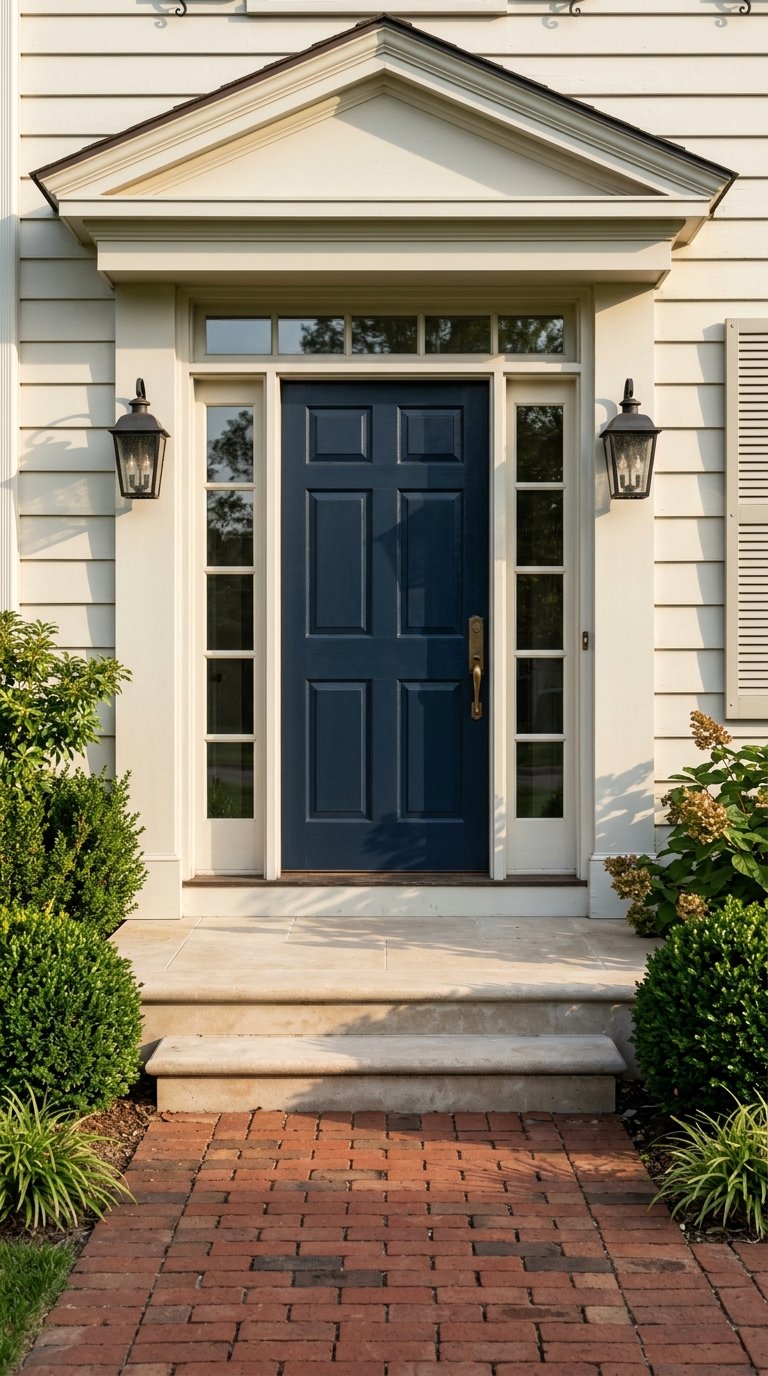
If you are especially interested in historic homes in the Caldwells, it is worth looking beyond curb appeal. Architectural character can be a major draw, but older homes also benefit from careful evaluation during the buying process.
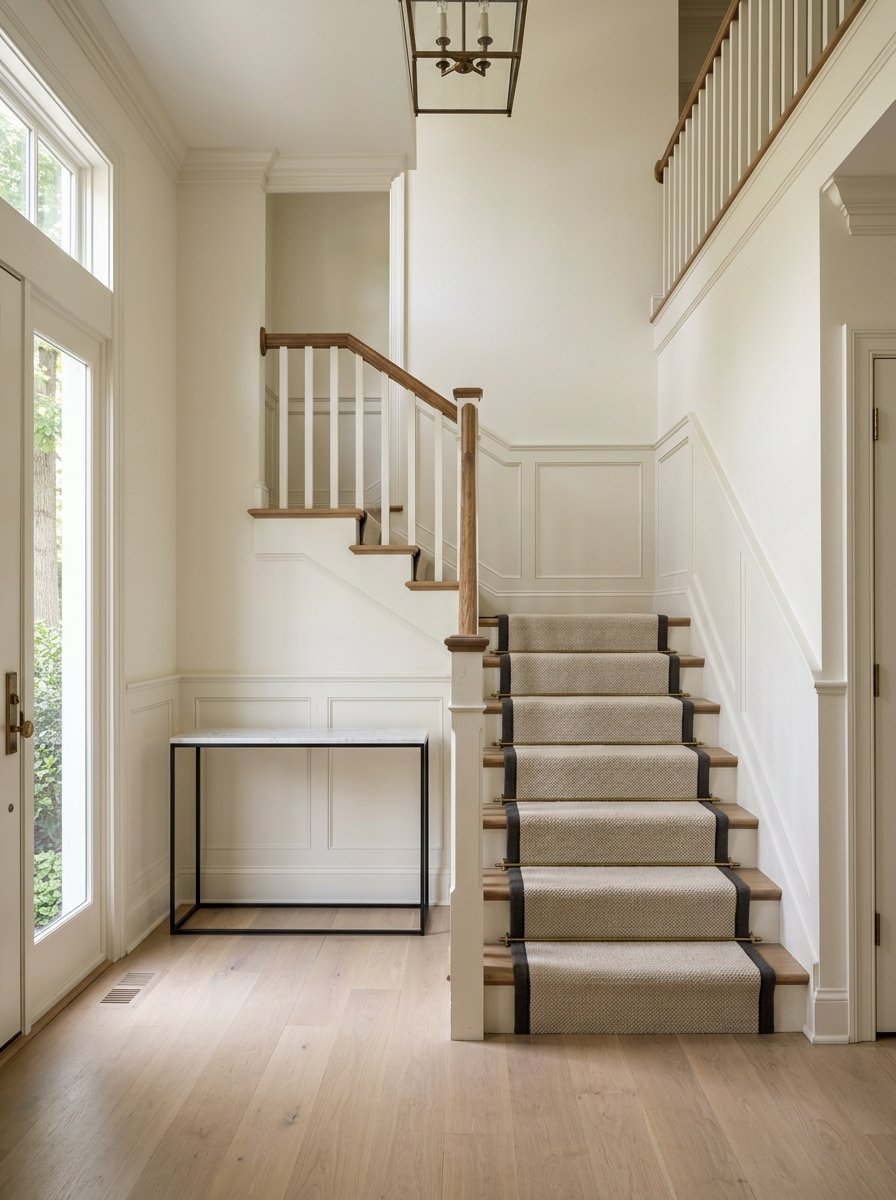
You may want to pay attention to layout, updates completed over time, and how the home fits your long-term needs. In a market where charm and lifestyle often drive demand, having clear guidance and a structured process can make it easier to weigh character against practicality.
That is especially true when you are relocating or comparing several Essex County towns at once. A disciplined search process helps you stay focused on the details that matter most to your budget, timeline, and day-to-day life.
If you are exploring historic homes and village living in Essex County, Birdsall Visentini Property Partners can help you compare the Caldwells with clarity, local insight, and hands-on guidance.
FAQs
What is village life like in Caldwell, New Jersey?
- Caldwell offers the most village-like setting in the Caldwells, with a historic, walkable downtown that includes restaurants, coffee shops, groceries, boutiques, and everyday services.
Which Caldwell town has the strongest historic home character?
- Caldwell and West Caldwell show the strongest historic identity, with Caldwell featuring a formal preservation framework and West Caldwell highlighting surviving 18th- and 19th-century homesteads.
How is North Caldwell different from Caldwell and West Caldwell?
- North Caldwell is generally quieter and more residential, with hilly, wooded roads, single-family homes as the dominant land use, and only modest commercial activity.
Are the Caldwells good for buyers who want parks and recreation?
- Yes. The area includes major amenities such as Grover Cleveland Park, West Caldwell recreation resources, Camp Wyanokie access, Walker Park, and a North Caldwell community pool.
Can you commute to New York City from the Caldwells?
- Yes. NJ Transit route 105 provides service in Caldwell and West Caldwell with connections to the Port Authority Bus Terminal in Manhattan.