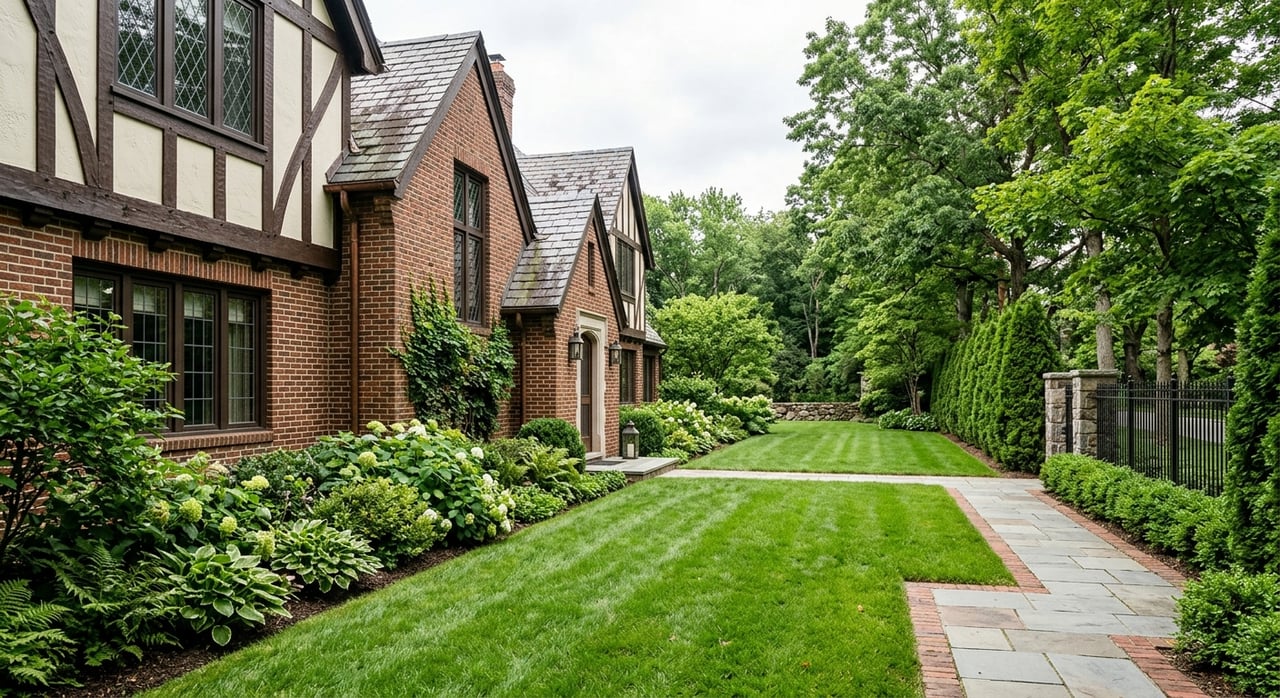
If you are torn between Chatham Borough and Chatham Township, you are not alone. On paper, they share a name and both sit in Morris County, but the day-to-day experience can feel meaningfully different depending on how you want to live. If you are trying to decide which setting better fits your routine, priorities, and home search, this guide will help you compare the two with more clarity. Let’s dive in.
Chatham Borough vs. Township Basics
Chatham Borough and Chatham Township are separate municipalities in Morris County. In the 2020 Census, the Borough had 9,212 residents, while the Township had 10,983.
The bigger difference for most buyers is not population. It is how each place is laid out and how that layout shapes your everyday life.
The Borough is described in its master plan as a compact 2.4-square-mile community with a small downtown and an interconnected street network. The Township, by contrast, highlights rolling hills, the Passaic River, and a landscape shaped by open space and the Great Swamp area.
In simple terms, many buyers think of the choice this way: the Borough feels more compact and downtown-centered, while the Township feels more residential and open-space oriented. That is not a legal distinction, but it is a practical one that often helps narrow your search.
Home Patterns and Lot Sizes
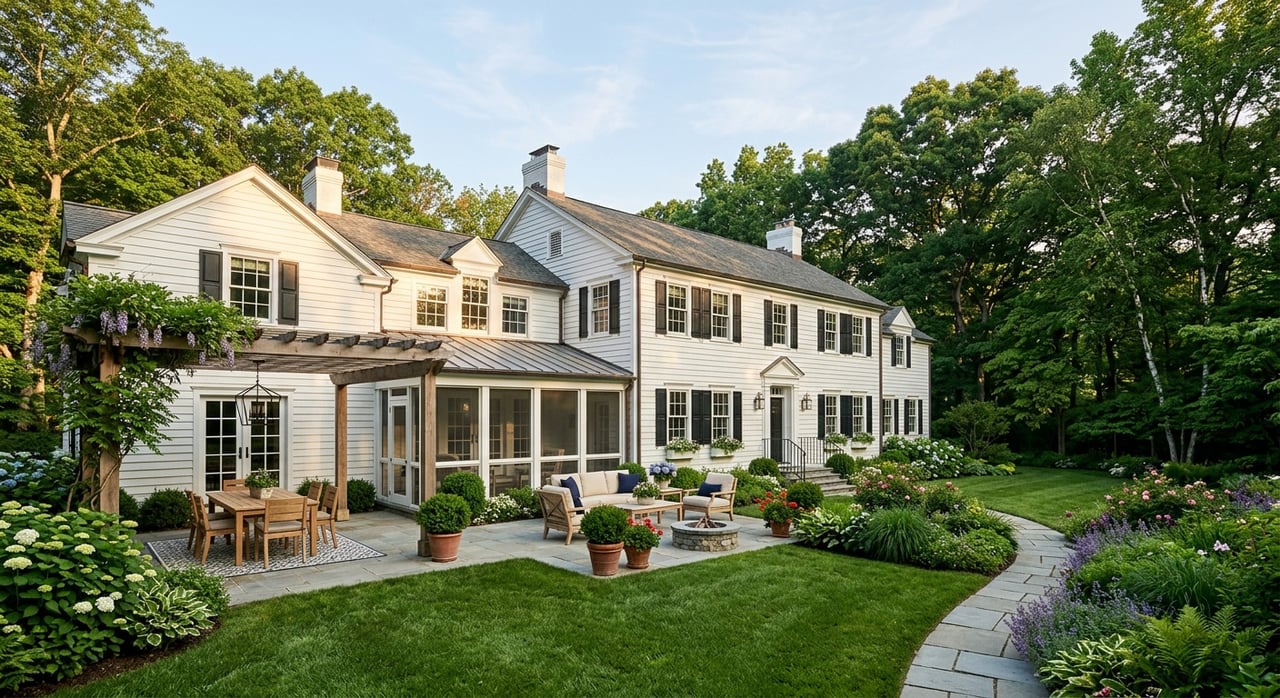
One of the clearest differences between the two is how homes sit on their lots. If yard space, house spacing, and block pattern matter to you, this is where the Borough and Township often start to feel very different.
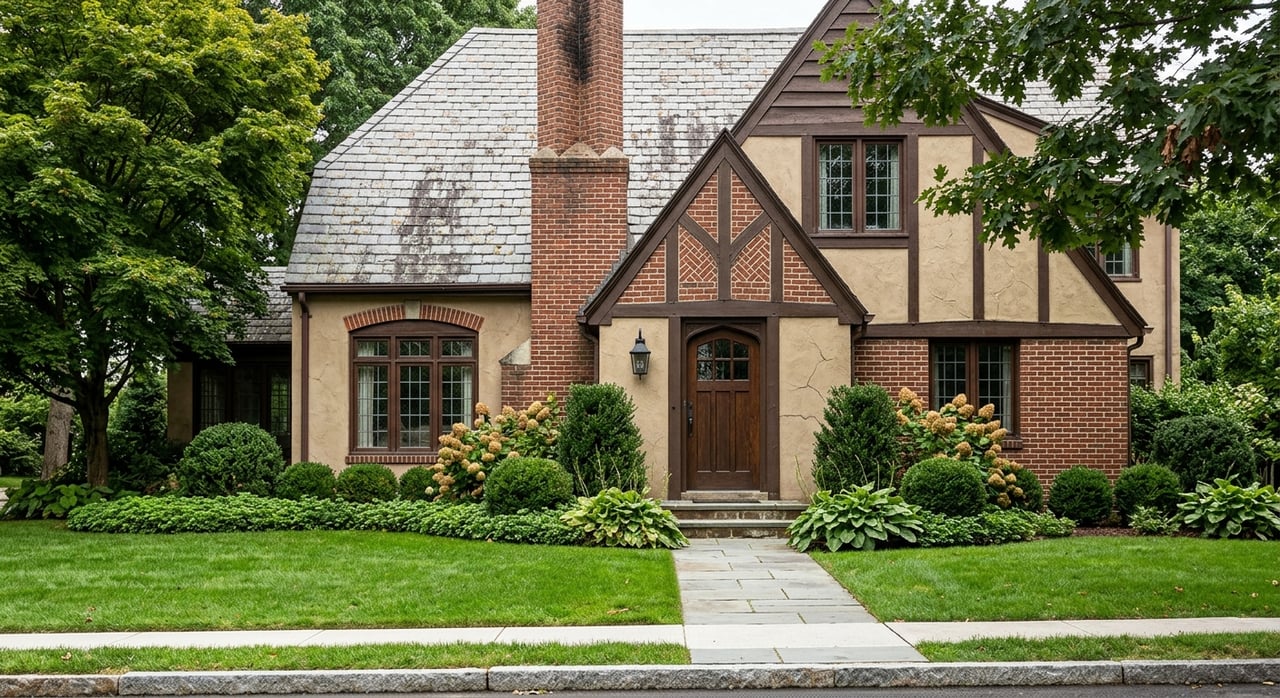
Borough homes tend to be tighter-knit
Borough zoning allows relatively small residential lots in several districts. The current code allows minimum usable lot area as low as 3,000 square feet in the R-3 zone, 3,500 square feet for single-family homes in the R-2 and R-4 zones, and 4,500 square feet in the R-1 zone.
The Borough code also preserves some older lots of record that are smaller than today’s standards. Combined with the Borough’s built-out pattern, that helps explain why many streets feel more compact and closely connected.
The Borough master plan also notes that there is very little vacant land left. As a result, change often comes through infill, tear-downs, and redevelopment rather than large new subdivisions.
Township homes often have more separation
Township zoning includes much larger-lot districts. For example, the Township’s R-1 district has a minimum lot area of 3 acres, and the code also references a 20,000-square-foot minimum lot area for certain existing single-family residences.
That does not mean every Township home sits on a huge lot. Lot sizes still vary by district and street, but the zoning framework points to a generally more spread-out residential pattern.
If you want more breathing room between homes, the Township may align more naturally with that goal. If you prefer a tighter street grid and a more compact neighborhood layout, the Borough may feel like the stronger fit.
Downtown Access and Daily Convenience
For many buyers, this is the category that decides everything. The question is simple: do you want a lifestyle that makes it easier to walk to errands, dining, or the train, or do you prefer a more residential setting where you may drive more often?
Why the Borough appeals to walkability-minded buyers
Route 124 serves as the Borough’s Main Street and primary commercial area. The Borough’s planning documents also highlight downtown assets and issues tied to transit accessibility, parking, walkability, and connectivity to Town Square.
That helps explain why some buyers are drawn to the Borough for a more convenient, downtown-adjacent routine. Depending on the specific home location, you may find it easier to reach restaurants, shops, daily errands, or the station on foot.
The station is a major practical factor
Chatham Station sits on Front Street between Fairmount and Washington Avenue on NJ Transit’s Morris & Essex Line. NJ Transit lists parking, bike racks, and a weekday morning ticket office at the station.
The Borough also maintains a downtown parking system with shopper and resident lots, along with a station parking system that includes resident-only annual permits and a waiting list. For buyers who expect to use rail service regularly, parking rules and access should be part of the conversation early in your search.
Township buyers can still access the same amenities
Living in the Township does not mean you are cut off from downtown or rail service. Township residents can still use the same station and enjoy the same commercial area.
The key difference is usually convenience and rhythm. Because the Township is shaped by a more residential and open-space pattern, your day-to-day routine may be less immediately walkable and more car-dependent depending on where you buy.
Parks, Recreation, and Weekly Routine
Both municipalities offer recreation options, and they also share access in important ways. The right fit often comes down to which facilities you expect to use most often and how easily they fit into your weekly schedule.
Borough recreation centers on parks and fields
The Borough recreation page lists Shepard Kollock Park, Memorial Park, Lum Field, Garden Park, and Stanley Park. Memorial Park Pool is open to Chatham residents and area non-residents.
If your routine revolves around neighborhood parks, playing fields, and quick local stops, the Borough may feel especially convenient. As with any home search, exact proximity depends on the neighborhood and street.
Township recreation leans into open space
The Township highlights Colony Pool and Tennis Club, Nash Park, Shunpike Park, Esternay Park, Mountainview Park, Castle Park, and trail access near the Great Swamp National Wildlife Refuge and other local trails.
If you picture weekends with more trail access, open landscapes, and park-centered routines, the Township may better match that vision. Buyers who prioritize outdoor access often notice this difference quickly when touring.
Shared programs help narrow the real question
The Township notes that the Township and Borough partner through a Joint Recreation Department for youth and adult programs. That matters because it means the comparison is not simply about whether you can participate.
Instead, a more useful question is this: which parks, pools, and recreation spots will you actually use most, and how easy will they be to reach from home? That practical lens often makes the decision much easier.
Which Chatham Setting Fits You Best?
If you are still deciding, it helps to tie the choice back to your routine rather than just the home itself. The best match is often the place that supports your weekdays just as well as your weekends.
Choose the Borough if you value:
- Easier access to downtown amenities
- A more compact neighborhood pattern
- Walkability for errands, dining, or the train
- A home search where smaller lots may be more common
Choose the Township if you value:
- More yard space or greater separation between homes
- A quieter, more residential feel
- Closer access to parks, trails, and open space
- A home search that may include larger-lot settings
Neither option is universally better. The right choice depends on how you want your home to function in everyday life.
A Smart Touring Checklist
When you tour homes in Chatham, try to compare more than finishes and square footage. A great house in the wrong setting can feel less convenient once real life starts.
Use this checklist to compare Borough and Township options side by side:
- Time the walk or drive to downtown
- Check distance to Chatham Station
- Notice yard size and spacing between homes
- Observe street traffic and parking activity
- Compare how close you are to parks, pools, and trails
- Picture your weekly routine, not just your weekend ideal
This kind of side-by-side evaluation is where many buyers find clarity. Once you see how each location supports your commute, errands, and downtime, the right fit often becomes much more obvious.
If you are weighing Chatham Borough against Chatham Township, a guided home search can save you time and help you focus on the details that matter most. Birdsall Visentini Property Partners offers hands-on guidance, clear communication, and local insight to help you compare options with confidence.
FAQs
What is the main difference between Chatham Borough and Chatham Township for homebuyers?
- The main practical difference is that Chatham Borough is generally more compact and downtown-centered, while Chatham Township is generally more residential and open-space oriented.
Are homes in Chatham Borough usually on smaller lots?
- Borough zoning allows relatively small residential lots in several districts, including minimum usable lot areas as low as 3,000 to 4,500 square feet depending on the zone.
Does Chatham Township offer larger lots than Chatham Borough?
- Township zoning includes larger-lot districts, including an R-1 district with a 3-acre minimum lot area, although lot sizes vary by district and location.
Can Chatham Township residents use Chatham Station?
- Yes. Township residents can still use Chatham Station on NJ Transit’s Morris & Essex Line, even though the Borough has the more concentrated downtown and station pattern.
How should buyers compare Chatham Borough and Township homes during tours?
- Focus on practical daily-life factors such as station access, downtown convenience, yard size, house spacing, visible traffic or parking activity, and proximity to parks, pools, or trails.